
If your chart has a lot of Earth (土), caution and receptivity are your default settings. Among the five elements, Earth is the energy that holds, endures, and keeps the center. When this character takes up nearly half of the eight, you become someone rarely shaken, but the task of stagnation, keeping everything stored inside, comes with it. An excess element is not a defect but a default and an overheat point: after Wood and Fire, we read Earth by the same standard.
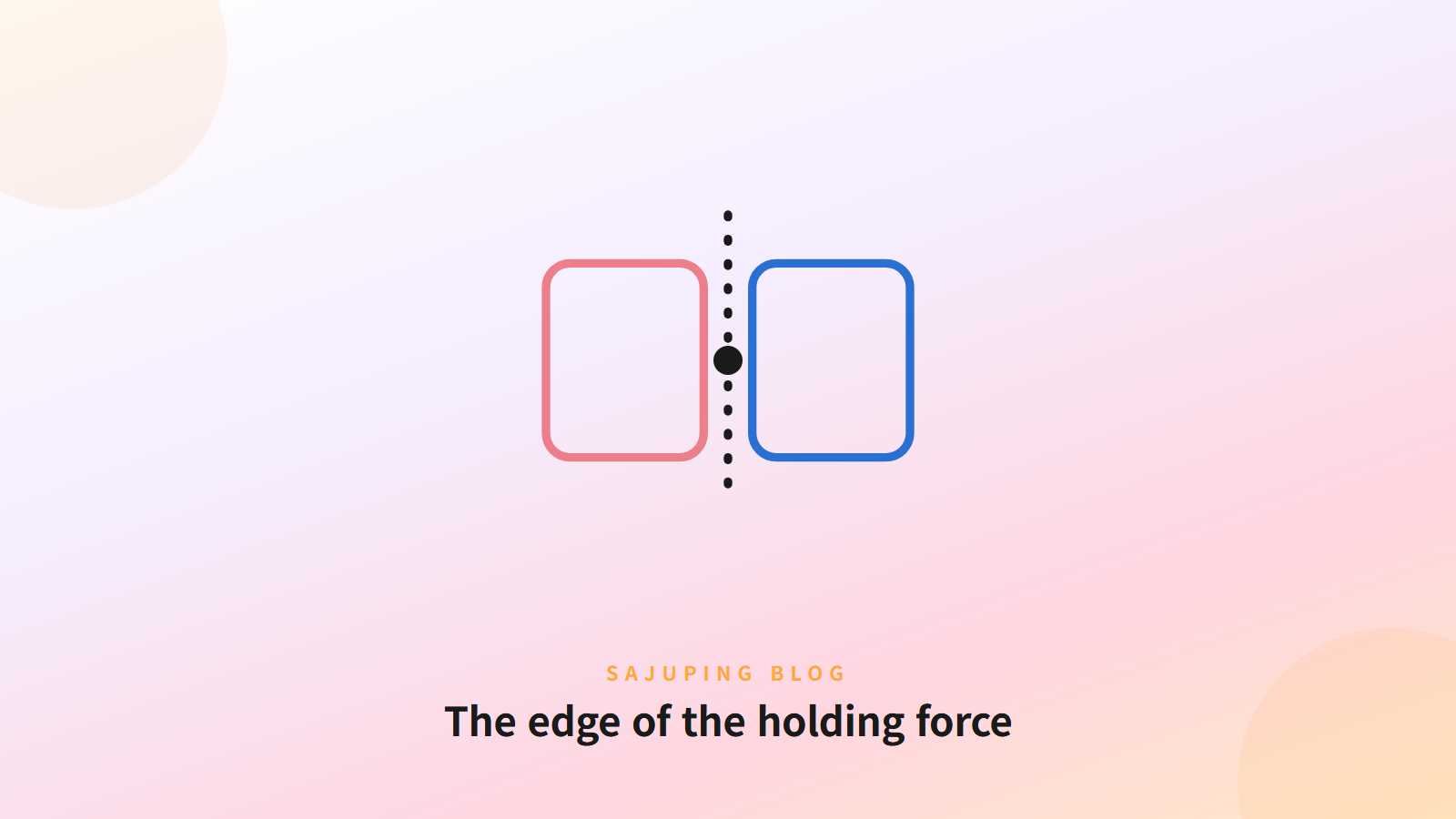
The temperament of an Earth-heavy chart — a large, deep vessel
Earth sits between spring and summer, autumn and winter, the energy that joins one season to the next. So an Earth-heavy person is a natural mediator: absorbing the temperature differences between people, softening conflict, knowing how to wait a long time. The power to keep promises and to build trust in one place also comes from here. This is the type who hears “I feel safe when that person is around” at work.
Earth has kinds too — Mu and Gi, and the four Earth branches
Earth has the most characters of any element: Mu (戊) and Gi (己) among the stems, and four branches, 辰, 戌, 丑, 未. That makes excess easier to reach than with other elements, and the kind of Earth changes the person.
- A chart with a lot of Mu Earth — the soil of a great mountain. Steady and broad but hard to move. Not changing what has been decided is both the strength and the task. The overheat shows as rigidity.
- A chart with a lot of Gi Earth — the soil of fields. Soft, practical, good at accommodating people. The flip side is being unable to refuse, until no share is left for oneself. The overheat is depletion and losing oneself.
- A lot of 辰 and 戌 — earth that holds water and fire. A storehouse-like structure with much stored inside, and so a gap between the outer and inner temperature.
- A lot of 丑 and 未 — the earth at the tail ends of winter and summer. Seats that close out a season, so strong in tidying and endurance, but when 丑 and 未 meet they form a clash that stirs conflict from within.
Remembering that “three Mu Earths” and “Gi, 丑, 未” are entirely different people, even under the same label, makes the reading far more accurate.
The overheat point — holding without letting out
The problem comes when the vessel is so large that it only takes in. Store up worries, store up requests, store up decisions, and the flow inside stops. Excess Earth’s classic overheat is stagnation: postponing decisions, finding change tiresome, swallowing complaints that should be spoken, until one day body and mind feel heavy. Not lazy, but a structure whose outlet is narrow.
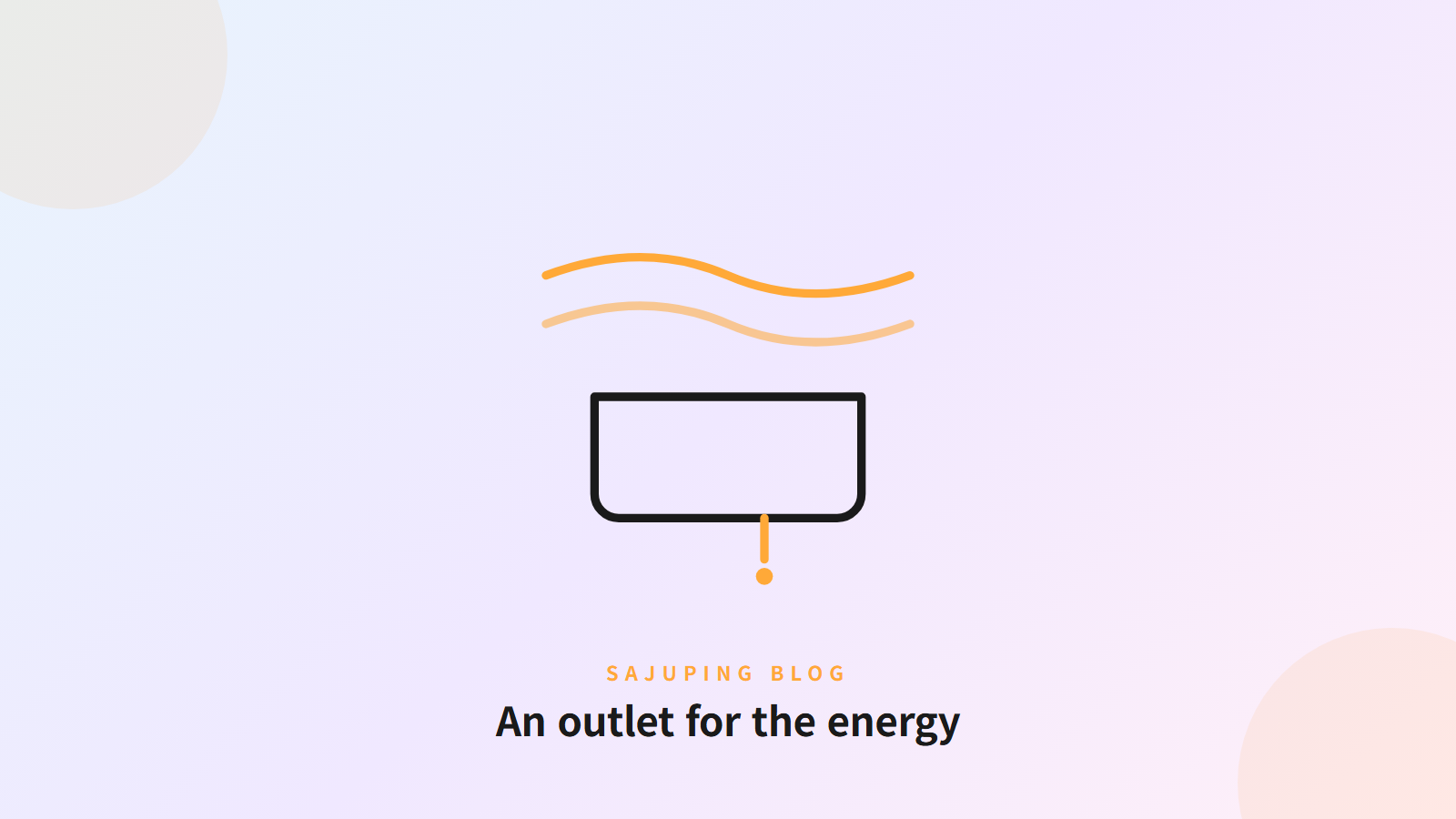
Control and release — wood tills, metal lets out
The reading of an excess element turns on whether control and release exist. What governs Earth is Wood (木). As roots break through the ground, a clear goal and plan till the hardened soil. What lets Earth’s energy flow is Metal (金). As metal comes out of the earth, it organizes what has been stored into results and sends them out. With Wood and Metal alive in the natal chart or the cycle, excess Earth is not stagnation but a tenacity hard to replace.
Pay particular attention to the state of Water (水) in excess Earth. Earth blocks water. With a lot of Earth and only one Water character, that water is easily trapped, and since Water often stands for wealth, flexibility, and the flow of thought, it shows up as “money comes in but gets tied up” or “thinking hardens.” In this structure Metal matters even more, because Metal breaks through the earth and produces water.
If your chart has no Earth at all
A chart without Earth has wings instead of a vessel. Quick to change and light on its feet. The power to sit tight and endure can be lacking, so self-made stabilizers like savings and routines help a great deal. More and less are not good and bad; they are differences of design.
Managing excess Earth
With a lot of Earth, the strategy is to make rules for emptying.
- Attach deadlines to decisions — weighing and weighing again is Earth’s habit, so setting a time limit first, “this one by Friday,” releases the stagnation.
- Send things out on a schedule — a routine of tidying objects, tasks, and feelings once a quarter and sending them outward does Metal’s job. Put a day for throwing out the unused and a day for saying the postponed on the calendar.
- State goals as sentences — a vague “someday” is the most dangerous word for excess Earth. One clear line of a goal is the wood that tills hardened soil.
How to read common situations — consultations
“I have five Earths and everyone unloads their worries on me. I’m exhausted.” A common scene in a Gi-heavy structure. The capacity to receive is large, so people gather, but without an outlet other people’s worries pile up in your body. Set a time for listening (say, thirty minutes at a stretch) and write down what you heard to send it out; that habit is this structure’s shield. If refusing is hard, start by shifting the time: “Not now, but I’ll listen tomorrow.”
“I’m supposedly excess Earth, but I decide fast.” Likely Wood is strong alongside, or the current cycle is a Wood or Metal period. The natal excess Earth is the default, and when the cycle opens a channel the stagnation disappears. If things are easy now, it is worth checking how long that cycle lasts, because the natal grain resurfaces when it changes.
“My child is excess Earth and won’t start anything no matter what.” An excess-Earth child moves only once convinced. Instead of pushing, explain fully why, and break the first step very small. Once moving, this child goes longer than anyone, so getting the engine started is almost the whole of the parent’s job.
Frequently asked questions
Q. Is it true that a lot of Earth means lazy? No. A slow start and laziness are different. Excess Earth weighs things for a long time before it is sure, so the start is late, but once it moves it goes longer than anyone. A marathoner, not a sprinter.
Q. What work suits an Earth-heavy chart? Work where trust is the asset. Asset and property management, operations, mediation and counseling, specialist fields that shine only after long accumulation. Excess Mu tends to suit managing large organizations; excess Gi tends to suit frontline work caring for people directly.
Q. How is excess Earth supplemented? Tradition recommends Wood and Metal energy. In daily life, setting deadlines first to bring decisions forward and the habit of regularly tidying objects, tasks, and feelings and sending them out are the practical supplements. As for people, a Wood day-master partner who sets direction and a Metal day-master colleague who helps finish are a good match for excess Earth.
In closing
A lot of Earth in the chart means you were born able to hold a great deal. But emptying a vessel matters as much as filling it. When you start to take out and use what you have stored, excess Earth becomes not stagnation but latent power.
If you want to know which elements are abundant or scarce in your chart and where the outlet is, check it in Sajuping (sajuping.ai), an AI saju companion built on manseryeok calculation.